The Netherlands is one of Europe’s most rewarding places to shop for a yacht. It is also one of the easiest places to be impressed too quickly. A polished steel cruiser in a heated shed near Sneek, a bluewater cutter in Makkum, or a superyacht pedigree motor yacht in Aalsmeer can all look convincing under Dutch winter light. The buyer’s task is to separate craftsmanship from cosmetics.
Why the Netherlands is a serious yacht market
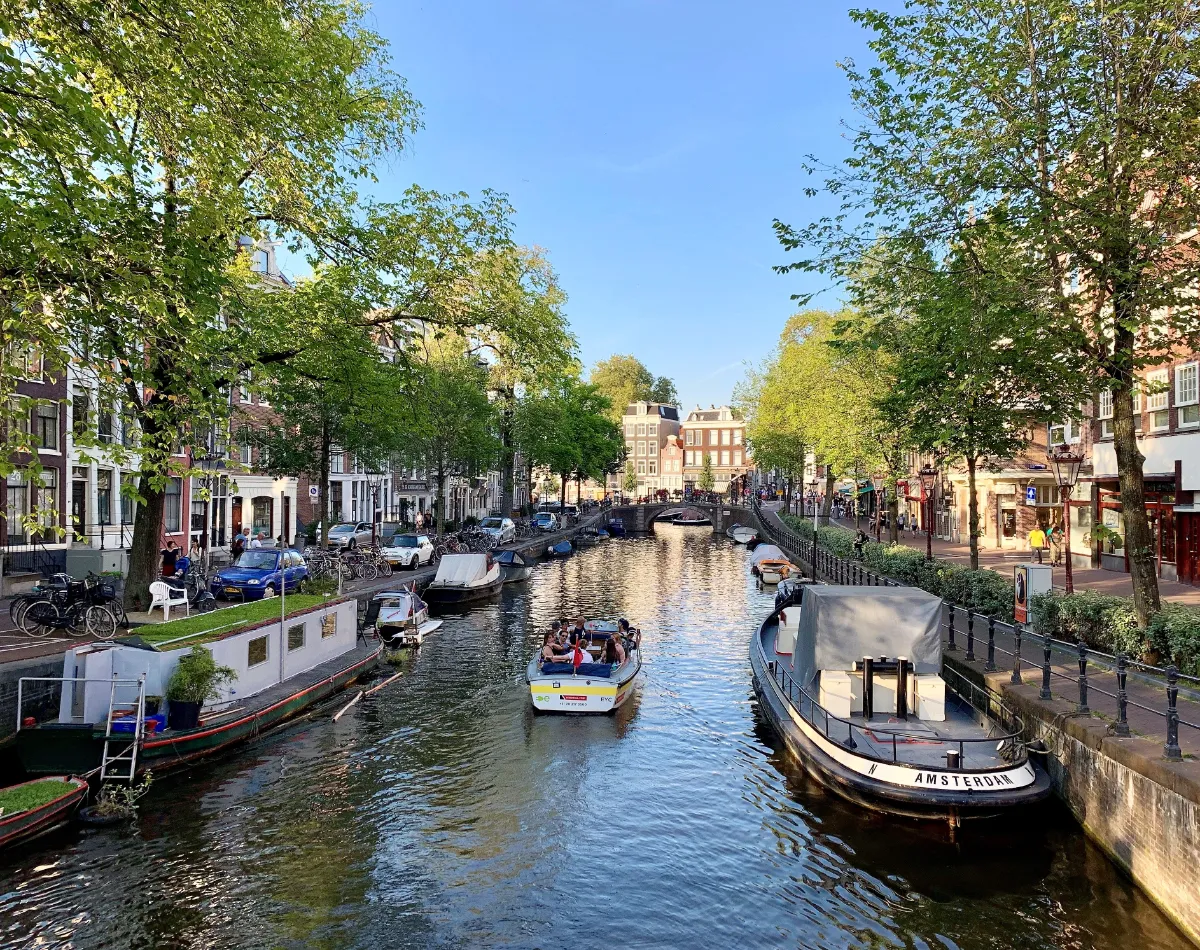
Dutch boating culture is not a weekend ornament. It is built into the country’s geography. With the IJsselmeer, the Wadden Sea, the North Sea coast and thousands of kilometers of canals and lakes, the Netherlands supports an unusually dense network of yards, brokers, surveyors, sailmakers and engineers. That infrastructure matters. A yacht for sale in the Netherlands is often easier to inspect, lift, repair and sea trial than a similar boat in a remote marina.
The country is also known for metal boatbuilding. Dutch steel and aluminum yachts have a strong reputation for practical layouts, robust scantlings and long service lives. At the top end, names such as Feadship, Heesen, Amels and Royal Huisman have helped define Dutch prestige. In the used market, however, the same rule applies to a modest cruiser as to a 50-meter yacht: condition is worth more than romance.
Start with the waters you will actually sail
Before calling a broker, decide where the yacht will live. A canal cruiser with low air draft may be perfect for inland routes but wrong for regular North Sea passages. A deep-keel sailing yacht may be excellent offshore but limiting in Friesland or Zeeland. Dutch waters reward shoal draft, reliable engines, good heating and practical deck gear. Offshore ambitions require a different checklist: rig age, stability, storm gear, fuel capacity, watertight integrity and autopilot redundancy.
"The best yacht is not the most beautiful one in the listing. It is the one whose compromises match your sailing life."
Use brokers, but verify the story
Many Dutch yachts are listed through professional brokers, often clustered around marinas and winter storage yards. A good broker will provide ownership history, maintenance invoices, equipment lists, VAT documentation and access for survey. Still, a broker usually represents the seller. Treat every statement as a lead, not a conclusion.
Ask direct questions. Has the yacht ever been grounded? When was the standing rigging replaced? Is the teak deck original, glued or screwed? Are there signs of osmosis on a fiberglass hull? On a steel yacht, when was the hull last thickness-measured? If the answers arrive slowly or vaguely, slow the purchase process as well.
VAT, title and paperwork matter
For yachts in the European Union, VAT status is a central issue. A buyer should ask for clear proof that EU VAT has been paid or that the vessel is otherwise legitimately accounted for. A bill of sale alone is not always enough. Older boats may have incomplete records, but missing paperwork can reduce resale value and create trouble when moving the yacht across borders.
Check the Hull Identification Number where applicable, CE documentation for post-1998 recreational craft sold in the EU, engine serial numbers and ownership records. Some vessels are registered with the Dutch Kadaster, which can help clarify title and mortgages. Not every pleasure yacht in the Netherlands is formally registered, so the paper trail deserves careful attention.
The survey is not optional
A pre-purchase survey is the buyer’s strongest defense. Choose an independent surveyor, not simply the person most convenient to the seller. For fiberglass yachts, the survey should examine moisture levels, laminate condition, keel attachments, rudder bearings, seacocks and deck core. For steel or aluminum yachts, plating thickness, corrosion, welds, paint systems and galvanic protection are crucial.
Insist on a haul-out. A yacht cannot be fully assessed from the pontoon. If the boat is in winter storage, that is an advantage: hull, keel, rudder and anodes are visible, and Dutch yards are generally well equipped for inspections. Engines should be examined by a qualified mechanic, especially on motor yachts where machinery can represent a major share of value.
Sea trials should be practical, not theatrical
A sea trial is not a joyride. It is a controlled test. Under power, note cold starting, smoke, vibration, cooling temperature, gearbox behavior and steering response. Under sail, check hoisting loads, reefing systems, winches, autopilot, instruments and whether the yacht balances properly. Test bow thrusters, generators, windlasses, heating systems and navigation electronics.
In the Netherlands, location shapes the trial. A yacht on inland waters may not be easy to test in waves, while a boat near the coast can reveal more about motion and handling. If serious offshore use is planned, consider whether the available trial conditions are enough to support that decision.
Negotiation begins after evidence
Dutch asking prices are often realistic, but the market still allows negotiation when evidence supports it. A tired sail inventory, overdue rigging, aging batteries, failing electronics or teak deck repairs can justify a lower offer. Avoid vague haggling. Use survey findings, written estimates and comparable listings.
Put conditions in writing: purchase subject to satisfactory survey, sea trial, clear title and documentation. Define who pays for haul-out, relaunch and survey costs. A deposit should be held securely, ideally through a broker’s client account or another agreed arrangement.
Final thought
Buying a yacht in the Netherlands can be unusually efficient because the ecosystem is so mature. The country offers choice, technical skill and access to both inland and offshore boating. But that same abundance can encourage haste. The wise buyer moves slowly, reads the paperwork, hires expertise and remembers that a yacht is never just a purchase price. It is a floating system of structure, machinery, history and future obligations.
Find the right one, and the Netherlands may be more than a marketplace. It may be the place where the next chapter of your sailing life begins.