
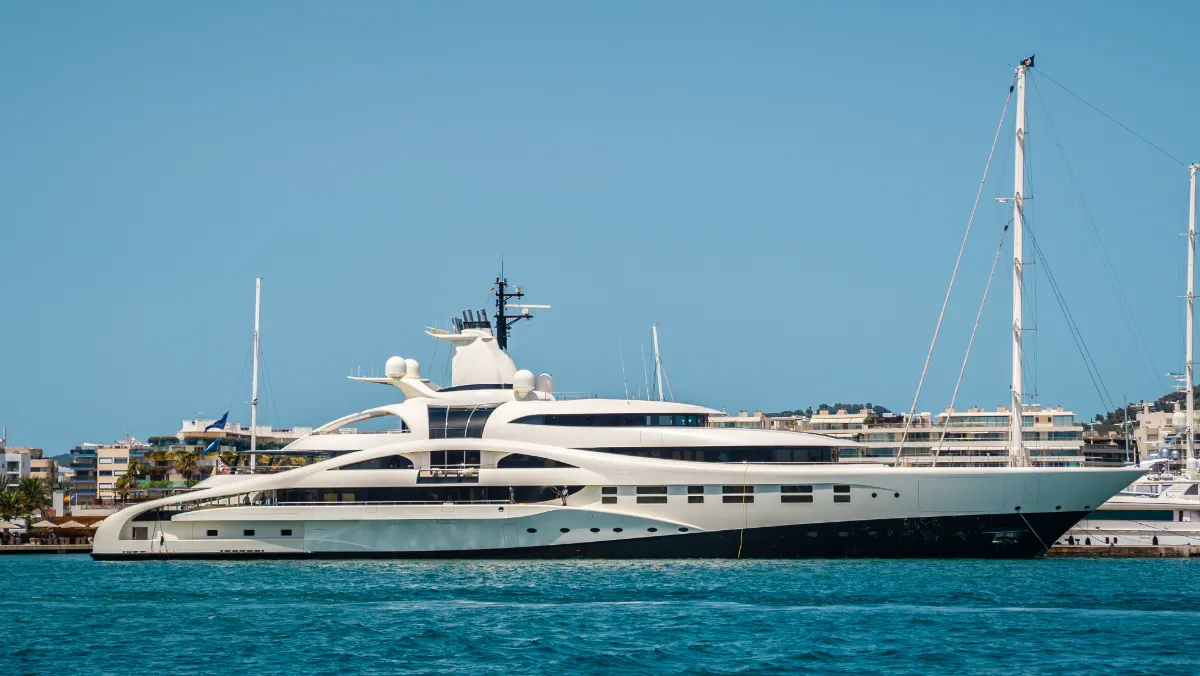
The luxury yacht market is no longer riding the extraordinary surge that followed the pandemic, when wealthy buyers competed for scarce boats and delivery slots stretched years into the future. The market has not collapsed. It has matured. For buyers and sellers, that distinction matters. A good yacht at a sensible price still moves. An average yacht with deferred maintenance and an ambitious asking price now sits.
Yachting is a small, emotional market, but it is also a hard-asset market shaped by interest rates, shipyard capacity, fuel prices, regulation and global wealth. The smartest participants in 2026 are watching not just glossy listings, but the less glamorous signals: days on market, refit invoices, crew availability, insurance conditions and the quality of a yacht's technical file.
Inventory Is Rising, But Quality Remains Uneven
After several years of tight supply, brokerage inventory has become healthier across many size bands, especially in the 24- to 40-metre range. That gives buyers more choice and more leverage. It does not mean bargains are everywhere. The best-maintained yachts, especially those with strong charter records, modern stabilisers, efficient layouts and recent yard periods, remain competitive.
The bigger shift is that buyers are separating good boats from tired boats faster. A yacht with old navigation electronics, dated interiors, looming class surveys or engines near major service intervals can face sharper negotiation. Sellers who assume the market of 2021 still exists risk losing the first, and often best, wave of interest.
Price Discovery Has Returned
During the boom, some asking prices were less a valuation than a dare. Today, pricing has become more disciplined. Buyers are comparing sisterships, recent sales, yard history and replacement cost. They are also calculating the cost of money. Even cash buyers pay attention to interest rates because rates influence opportunity cost and the broader mood of asset markets.
For sellers, the lesson is simple: the first price matters. A yacht launched too high can grow stale online, even after reductions. In brokerage, time is not neutral. Each month on the market invites questions: What is wrong with her? Why has no one moved? A realistic price, supported by survey records and maintenance evidence, is often more powerful than a large headline discount months later.
"The best yacht is still the one with a real buyer behind it."
New Builds Face a Different Test
The new-build market remains supported by long-term wealth creation and by owners who want customisation, lower emissions systems and the assurance of a fresh platform. But shipyard slots, inflation in skilled labour and equipment delays continue to shape decisions. Building a yacht is not like ordering a car. It is a multi-year industrial project involving naval architects, classification societies, interior contractors, engine suppliers and hundreds of specialists.
Buyers should examine not only the yard's reputation, but its balance sheet, subcontractor network and record of delivering on time. Sellers of nearly new yachts may benefit from this dynamic. If a buyer wants to cruise next summer rather than wait four years, a lightly used yacht with warranty support and a clean survey can command attention.
Refit Costs Are Now a Market Force
Refit has become one of the defining issues in luxury yachting. Labour shortages in marine trades, higher material costs and busy yards have made even routine work more expensive. Paint, teak, electronics, generators, air-conditioning systems and stabilisers can all produce bills that surprise first-time owners.
A full exterior paint job on a large yacht can run into seven figures. Teak deck replacement is similarly serious, not only because of material cost but because of labour and downtime. Buyers now model these costs before making an offer. Sellers who have completed major works should document them clearly. Receipts, photographs, class reports and engine service records are not paperwork clutter; they are value.
Sustainability Is Moving From Image to Engineering
Luxury yachting is under closer environmental scrutiny, particularly in crowded cruising grounds such as the Mediterranean. The trend is not only about public relations. Hybrid propulsion, battery systems, more efficient hull forms, shore-power compatibility and advanced wastewater treatment are becoming practical selling points.
International rules also matter. The International Maritime Organization has tightened emissions standards over time, and local restrictions can affect where and how yachts operate. A yacht able to run quietly at anchor on batteries, reduce generator hours and plug into shore power where available offers more than a greener story. It offers comfort, lower noise and potentially lower operating costs.
Charter Potential Can Support Value, But It Is Not Magic
Many buyers ask whether charter income can offset ownership costs. Sometimes it can, especially for yachts with five or more guest cabins, strong crew, contemporary interiors, water toys and a proven cruising area. But charter is not passive income. Commercial compliance, marketing, crew standards, wear and tear, scheduling and taxation all matter.
A yacht that charters well is usually one that is easy to enjoy: good shade, reliable air-conditioning, comfortable guest flow, stabilisation at anchor and a captain who understands hospitality as much as navigation. Buyers should study actual charter history, not projected optimism. Sellers with transparent charter accounts have an advantage.
Crew and Insurance Are Quiet Deal Breakers
Two issues increasingly shape transactions behind the scenes: crew and insurance. A yacht may be beautiful, but without qualified crew it cannot deliver the experience owners expect. Competition for experienced captains, engineers and chefs remains intense, particularly on popular private and charter yachts.
Insurance has also become more selective, influenced by storm losses, fire risk, cruising areas and vessel age. Underwriters may ask detailed questions about yard periods, lithium-ion battery storage, firefighting systems and hurricane plans. Buyers should speak with insurance advisers early, not after signing a purchase agreement.
What Buyers Should Watch
Buyers should focus on total cost, not just purchase price. That means survey findings, upcoming class or flag requirements, engine hours, generator condition, stabiliser service, hull paint, teak, tender age and the availability of berth space. Sea trials matter, but so does a cold look at the maintenance calendar.
The best buyers enter negotiations with patience and technical help. A skilled surveyor, yacht manager and broker can prevent expensive mistakes. In a more balanced market, there is less need to rush into a flawed boat simply because inventory is scarce.
What Sellers Should Watch
Sellers should prepare a yacht as if the buyer will be forensic, because serious buyers usually are. Fresh photography helps, but documentation closes deals. Correct obvious defects before listing. Make the engine room presentable. Organise service records. Be realistic about pricing against recent comparable sales, not memories of the boom.
Most of all, understand that buyers are paying for confidence. A yacht is a complex machine operating in salt water, one of the harshest environments on earth. The seller who reduces uncertainty often protects value better than the seller who merely waits for a richer offer.
The Market Is Balanced, Not Broken
The central trend is a return to discrimination. Buyers have more choices. Sellers must work harder. Builders are still busy, but clients are more thoughtful. Sustainability is becoming practical. Refit costs are reshaping valuations. In short, the luxury yacht market has become more adult.
For those who love the sea, that is not bad news. A calmer market rewards knowledge, care and honest presentation. It favours yachts that have been run properly and buyers who understand what ownership really requires. The glamour remains, but the numbers now matter again.