Buying a yacht is not really a choice between two types of machinery. It is a choice between two ways of moving through the world. A motor yacht promises speed, volume and hotel-like ease. A sailing yacht offers silence, range and the old satisfaction of using wind as fuel. Both can be magnificent. Both can become expensive mistakes if the buyer confuses a weekend fantasy with the life they will actually lead afloat.
The essential difference
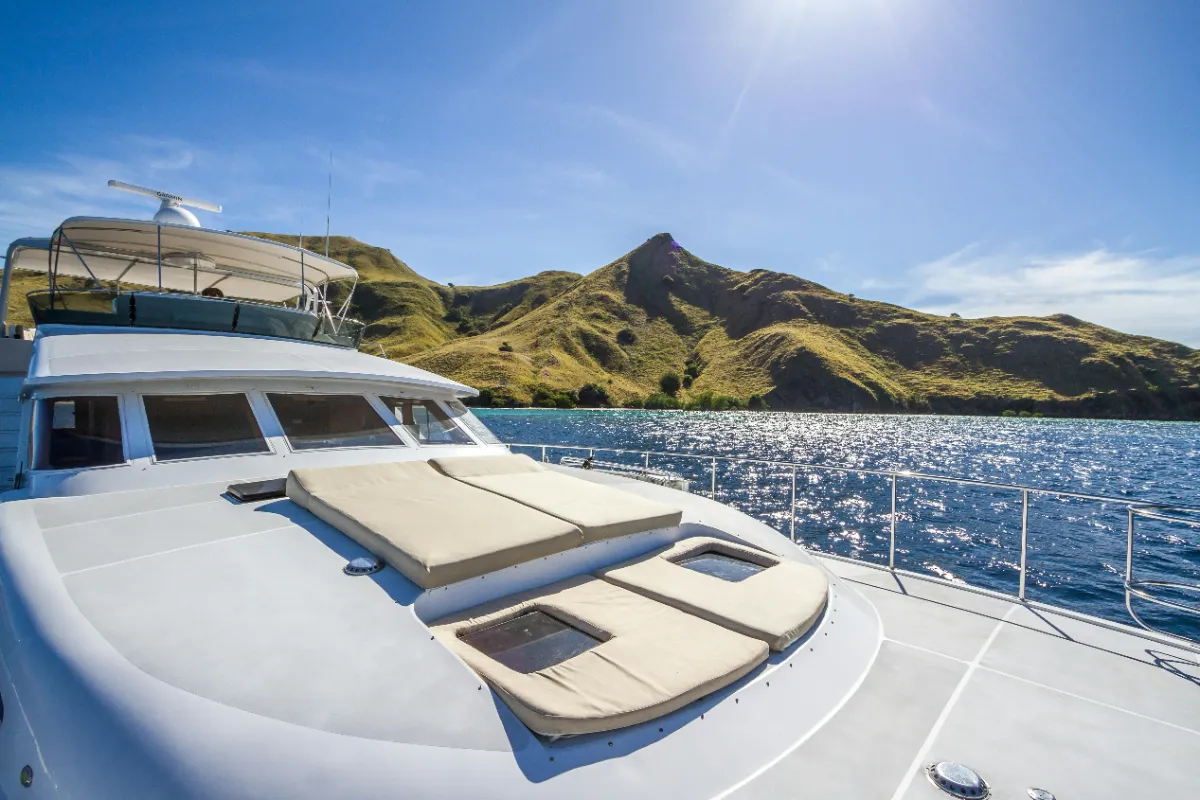
A motor yacht is built around propulsion, comfort and pace. Its engines are not an accessory; they are the heart of the boat. This usually means more interior space, larger cabins, wider saloons and generous deck areas because the design is not organized around mast loads, rigging, sail handling and deep keel geometry.
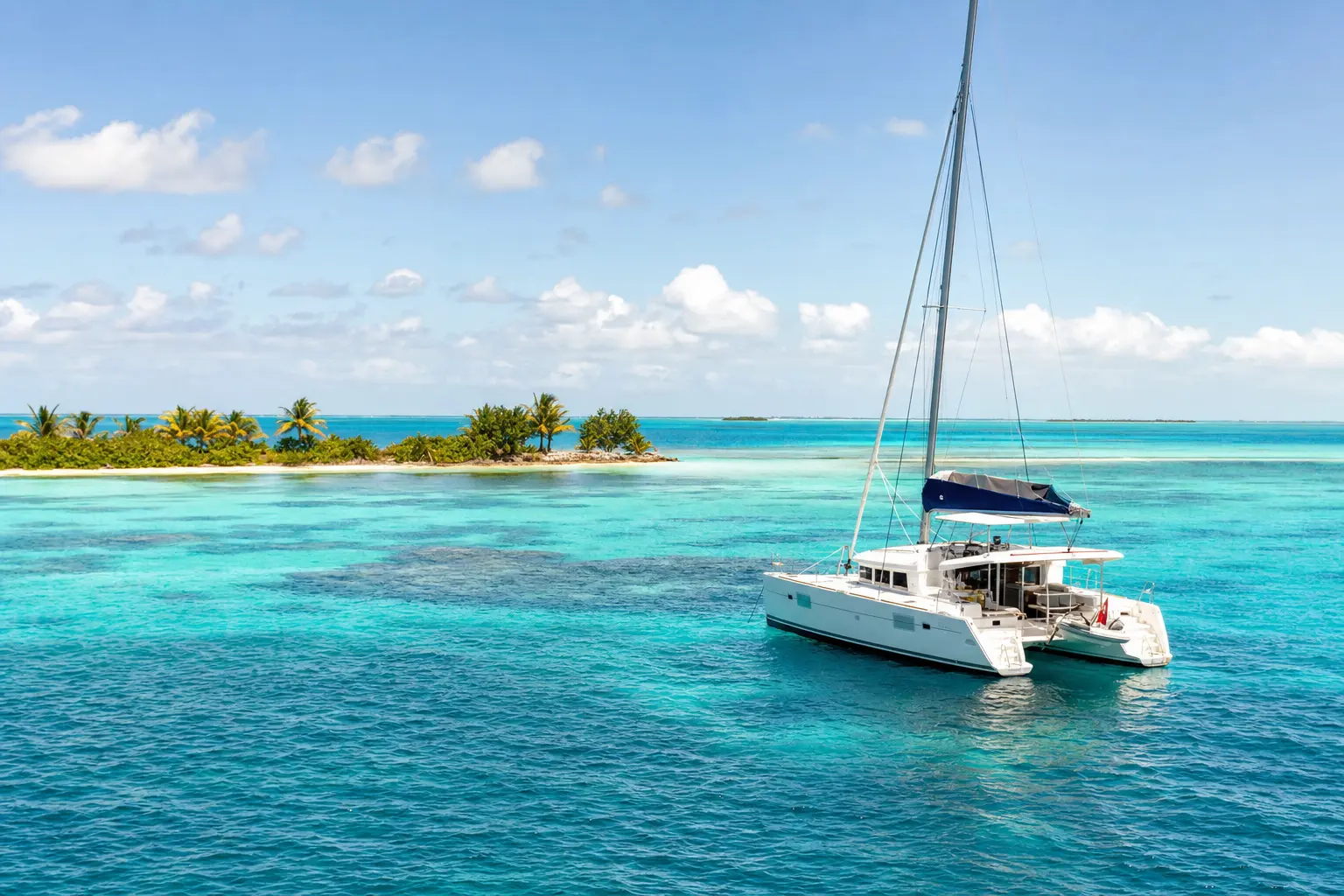
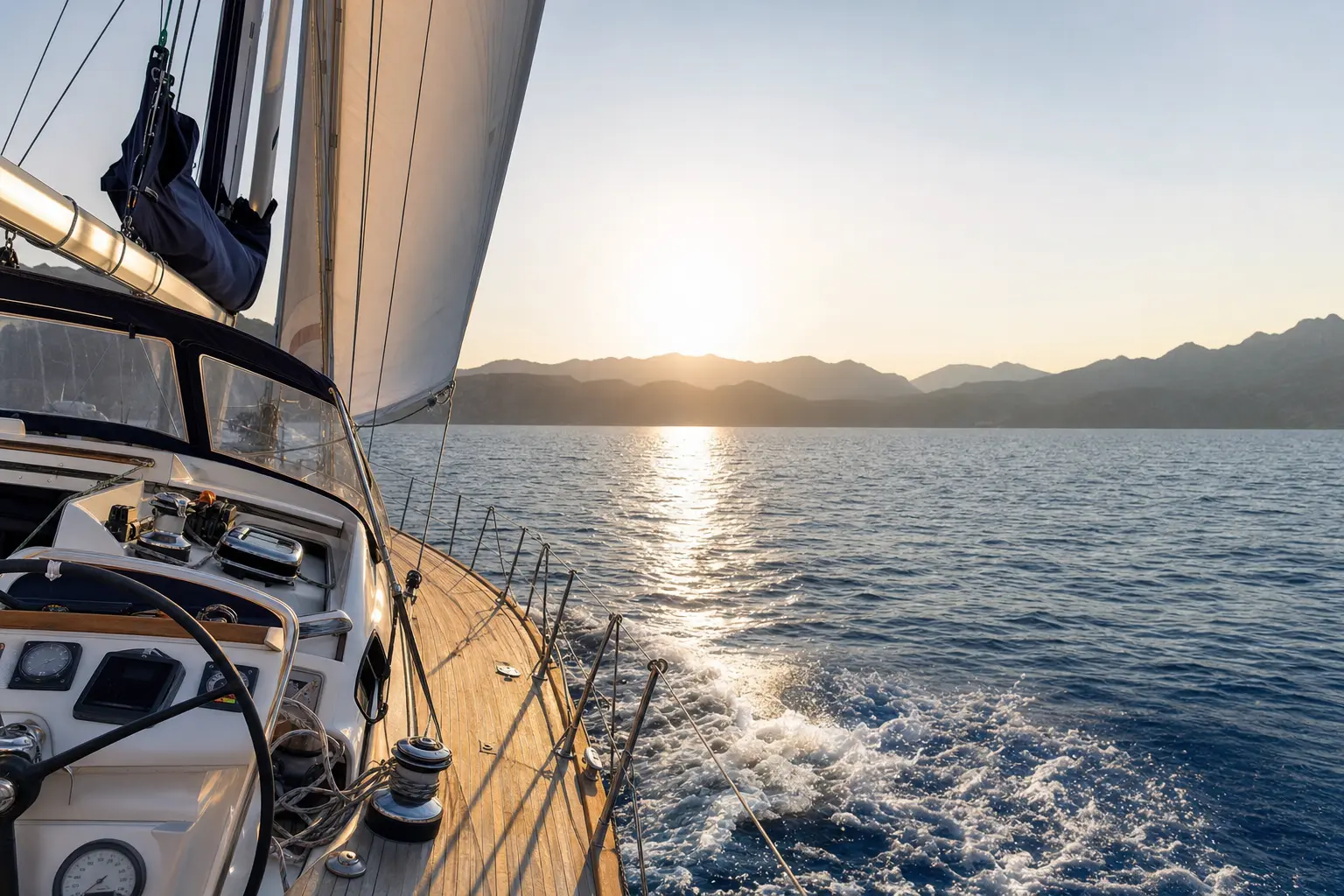
A sailing yacht is built around balance. Hull shape, keel, rudder, mast, sails and ballast must work as a system. Even modern cruising sailboats with push-button furling and powerful engines remain fundamentally different from motor yachts. They ask more from the owner, but they also give something back: quiet passages, lower fuel burn and a closer relationship with weather and sea state.
“The right yacht is the one whose compromises you are willing to live with.”
Speed and range
If your time is limited, a motor yacht has the obvious advantage. A planing motor yacht may cruise at 20 to 30 knots or more, turning a long coastal passage into an afternoon run. Even displacement motor yachts, which move more slowly and efficiently, often maintain steady speeds without depending on wind direction.
A sailing yacht is usually slower. Many cruising sailboats average 6 to 9 knots on passage, though larger performance cruisers can do much better. The trade-off is range. Under sail, a yacht can cross oceans while burning little fuel, reserving diesel for calms, harbor approaches and battery charging. For long-distance voyaging, that matters. Fuel docks are not evenly spaced across the planet.
Comfort at anchor and underway
Motor yachts often win the comfort contest at the dock and at anchor. They tend to have more beam carried farther aft, creating large master suites, open galleys and social spaces that feel like waterfront apartments. Stabilizers, including gyroscopic and fin systems, can reduce roll and make life aboard far more comfortable.
Sailing yachts can be deeply comfortable, but their spaces are shaped by function. Companionways may be steeper, cabins narrower and storage more distributed. Underway, however, a well-designed sailing yacht can have a natural motion that many sailors prefer. With the engine off and the boat pressed gently by the wind, the experience is not just transportation. It is part of the reason to go.
Costs beyond the purchase price
The purchase price is only the opening line of the bill. Motor yachts generally have higher fuel costs, larger engines, more complex systems and, often, higher annual maintenance. A large diesel engine can be reliable for thousands of hours if properly serviced, but neglect is expensive. Add generators, stabilizers, hydraulic systems, air conditioning and electronics, and the maintenance calendar fills quickly.
Sailing yachts are not cheap to maintain. Standing rigging, running rigging, sails, winches, deck hardware and spars all age. A new suit of sails can be a major expense, and rig inspections are not optional for serious voyaging. Still, for owners who cruise extensively, lower fuel consumption can make a meaningful difference over time.
Crew and handling
A modern motor yacht may be easier to operate in open water, but close-quarters handling can be demanding, especially in wind or current. Bow and stern thrusters help, yet size, visibility and momentum still matter. Larger yachts, whether power or sail, may require professional crew, not because the owner lacks intelligence, but because safety and maintenance demand constant attention.
Sailing yachts require a broader seamanship skill set. The owner must understand sail trim, reefing, weather windows and how loads move through the boat. Automation has changed the experience. Electric winches, furling mainsails and autopilots have made short-handed sailing far more practical. But the sea has a way of exposing false confidence. Training is not decoration; it is part of the equipment.
Environmental considerations
No yacht is impact-free. Construction, maintenance, antifouling paint, batteries and marina infrastructure all carry environmental costs. But propulsion matters. A sailing yacht using wind power will usually burn far less fuel than a comparable motor yacht over long distances. Motor yachts, meanwhile, are improving through more efficient hulls, hybrid systems and better engine management, though widespread zero-emission long-range yachting remains a developing field.
Resale and lifestyle fit
Resale value depends on brand, condition, engine hours, design reputation and market timing. Well-kept yachts from respected builders often hold value better than obscure bargains. But the better question is not what the market wants. It is what you will actually use.
If your dream is island-hopping with family, quick marina-to-marina passages and entertaining guests in comfort, a motor yacht may fit. If your dream is bluewater cruising, quiet nights on passage and the intellectual pleasure of working with wind, a sailing yacht will likely feel more rewarding.
So which should you buy?
Buy a motor yacht if speed, interior volume and convenience are your priorities, and if your budget can comfortably absorb fuel, maintenance and systems support. Buy a sailing yacht if range, seamanship and the experience of passage-making matter more than arrival time.
The wisest buyers charter both before signing anything. Spend a week aboard a motor yacht, then a week aboard a sailing yacht of similar size and quality. Notice when you feel relaxed, when you feel engaged and when you feel burdened. A yacht should expand your life, not become a floating obligation.
In the end, the best yacht is not the fastest, largest or most romantic. It is the boat that matches your time, waters, budget and temperament. The sea is honest about mismatch. Choose the yacht whose demands you respect, and whose rewards you will still want after the novelty fades.