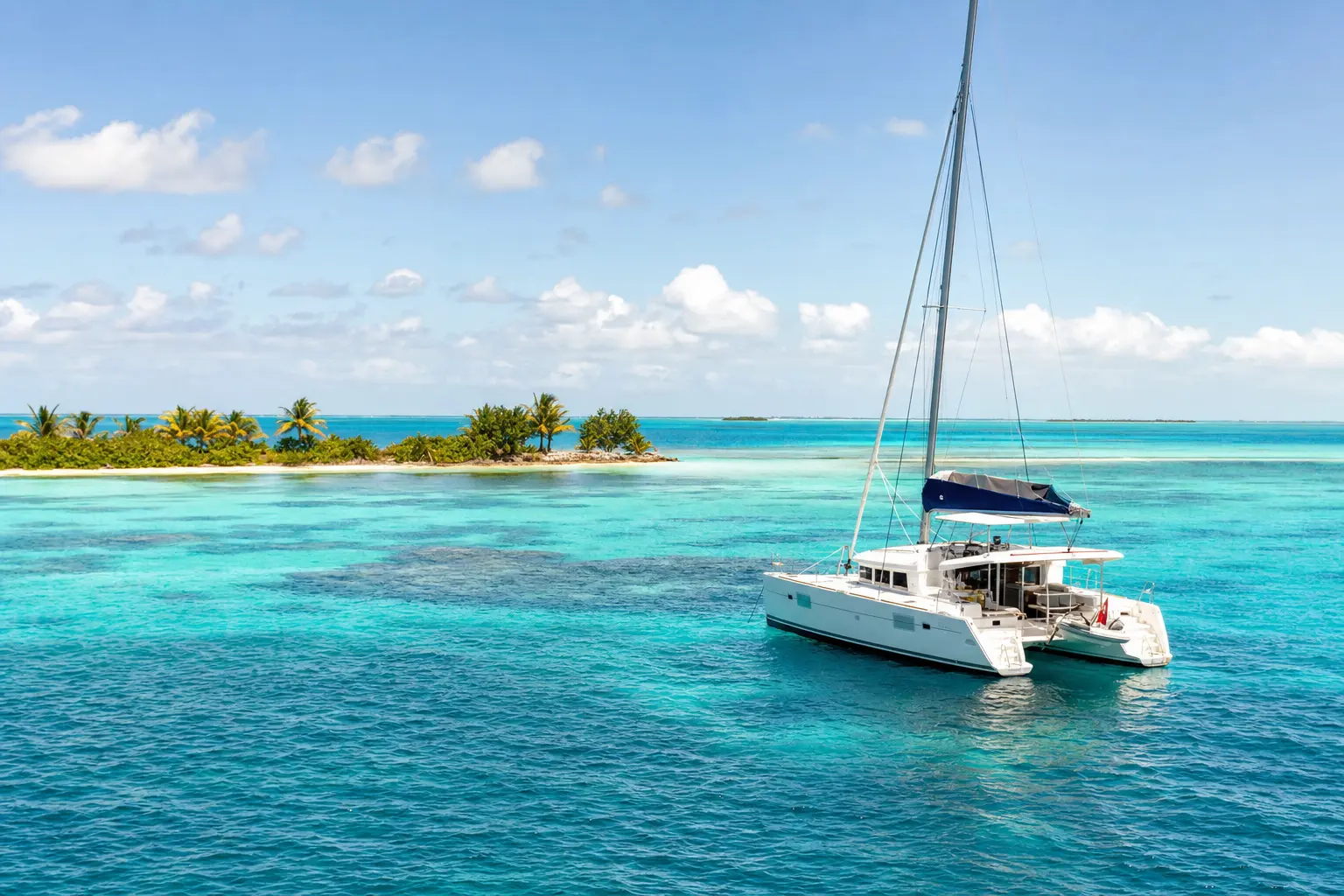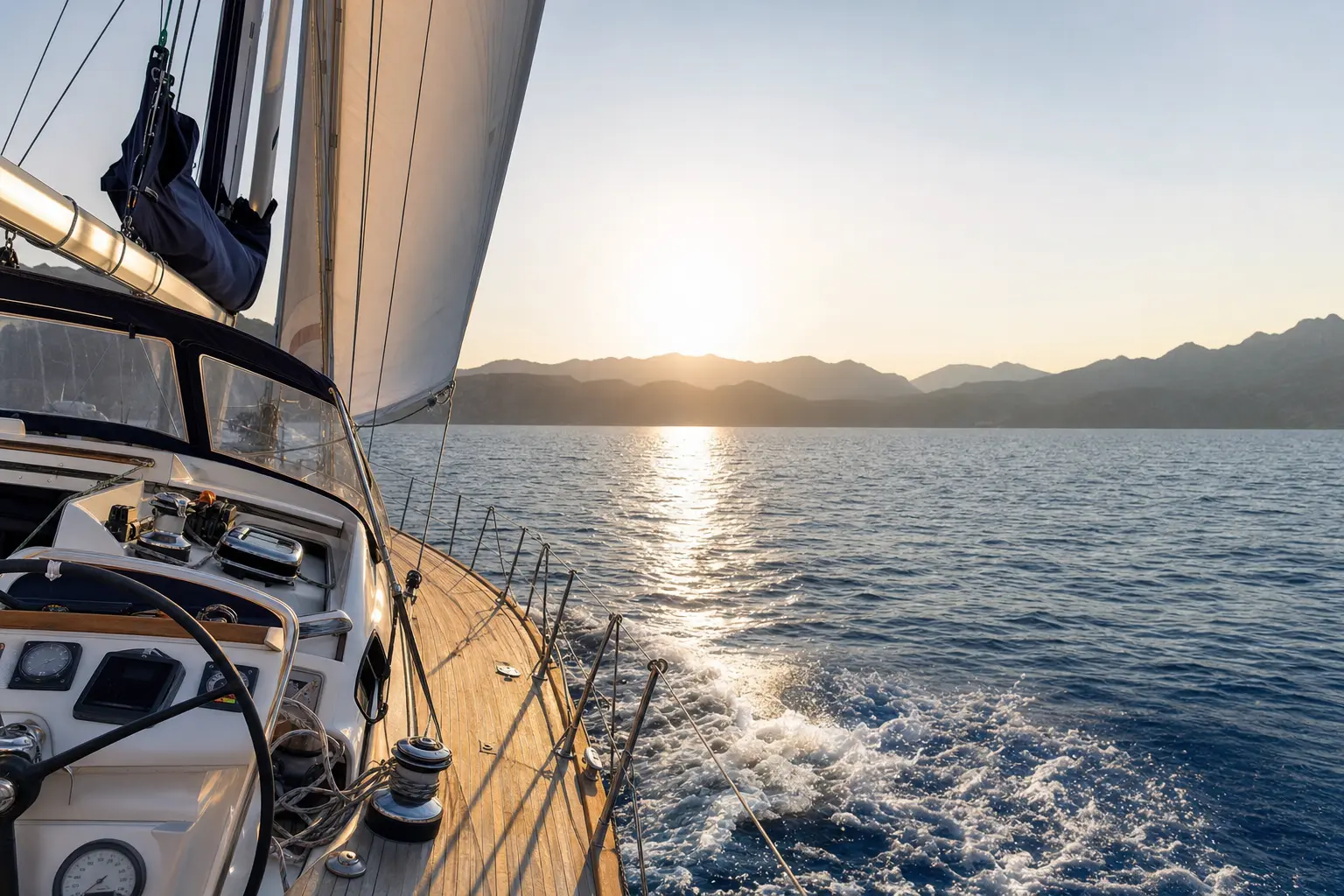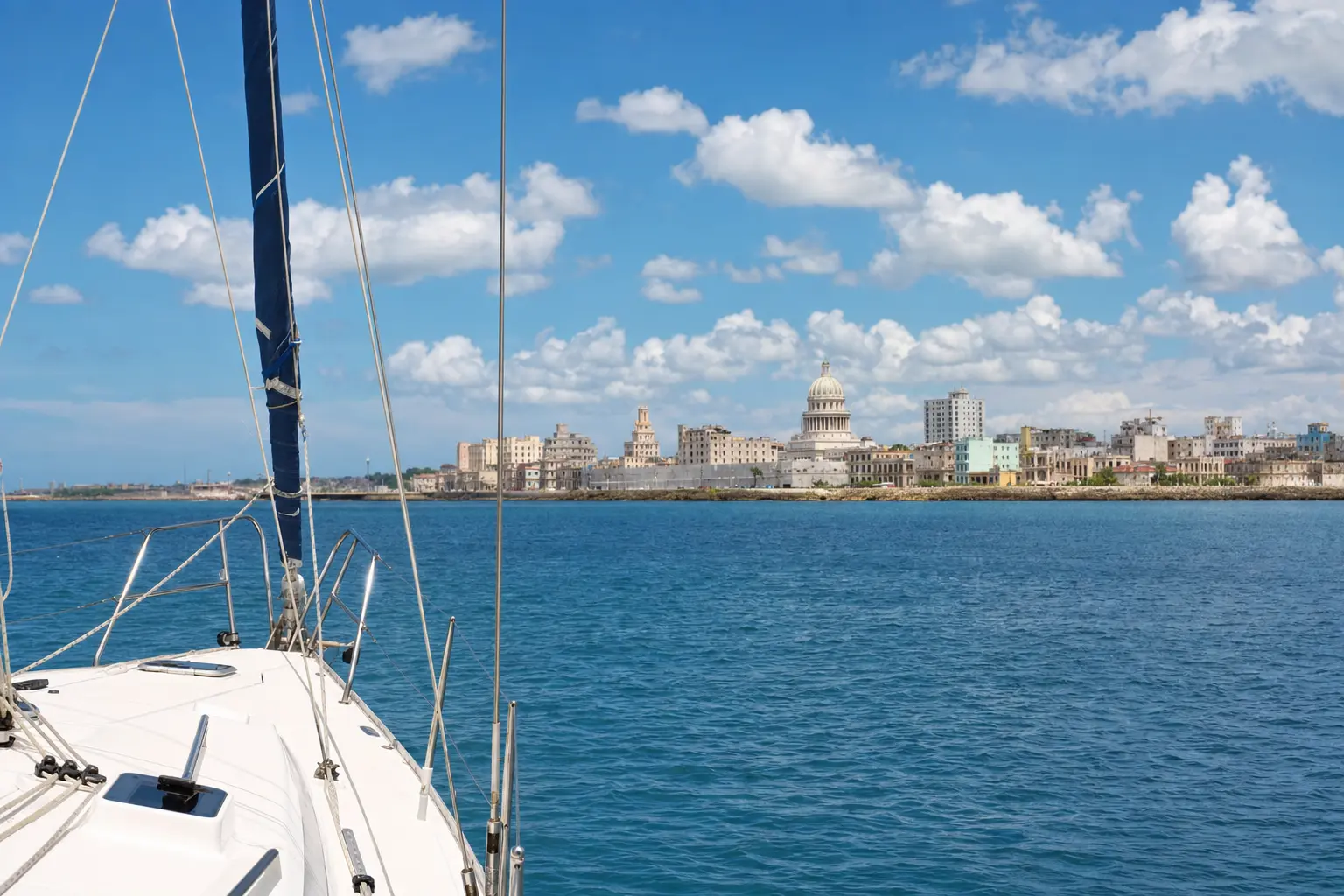
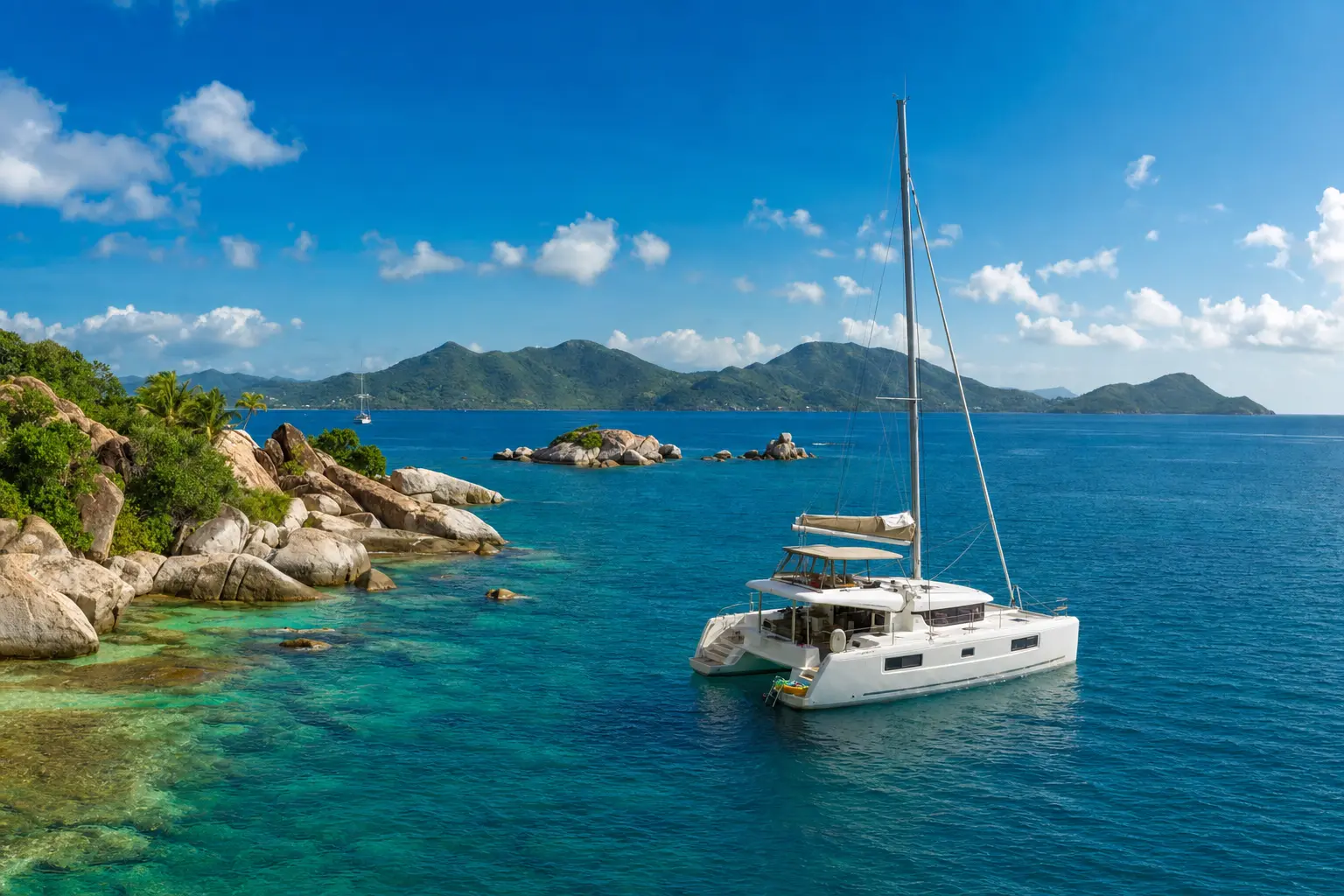
The British Virgin Islands have earned their reputation honestly. For sailors, this is one of the rare cruising grounds where the geography seems designed with a charter briefing in mind: short passages, steady easterly trade winds, good mooring fields and islands spaced closely enough that a nervous first-day skipper can usually see the next anchorage before leaving the last one.
That does not mean the BVI are tame. Reefs demand attention. Anegada asks for settled weather and careful navigation. The Sir Francis Drake Channel can kick up when the trades harden. But compared with many blue-water destinations, the BVI offer a forgiving blend of comfort and adventure. The best routes are not about racing through every famous stop. They are about rhythm: sail in the morning, swim after lunch, arrive early enough to enjoy the anchorage before the mooring balls fill.
The classic seven-day BVI loop
For a first charter, the classic loop from Tortola remains the standard for good reason. Most bareboat trips begin in Road Town or on Tortola’s southern shore. From there, the first easy reach is often to Norman Island, a short passage across the channel to one of the territory’s most storied anchorages.
Norman Island is widely associated with pirate lore and has often been linked, at least in popular imagination, to Robert Louis Stevenson’s “Treasure Island.” The more practical treasure is underwater: the Caves, off the island’s western edge, are a favorite snorkel stop when the sea state allows. The Bight, the main overnight anchorage, is well protected and a sensible first night for crews still learning the boat.
From Norman, a relaxed itinerary continues to Peter Island or Cooper Island. Peter offers quieter coves, while Cooper is one of the BVI’s classic small-island stops, with views back across the channel and easy access to nearby snorkeling. The next leg usually leads toward Virgin Gorda, first to the Baths and then north to the North Sound.
Virgin Gorda: granite boulders and big-water polish
The Baths are not just photogenic; they are geologically unusual in a region dominated by volcanic islands. The huge granite boulders form shaded pools, tunnels and sea-level passages on Virgin Gorda’s southern shore. The site is protected as a national park, and sailors should use designated moorings and respect local rules rather than dropping anchor on fragile seabed.
After the Baths, many crews continue to North Sound, a broad and well-known yachting basin at the top of Virgin Gorda. This is where the BVI shifts mood. The sailing feels more open, the resorts more polished, the superyachts more common. It is a fine place to pause, reprovision lightly, dine ashore or simply watch the evening trade-wind clouds move over the hills.
Anegada: the route for confident crews
Anegada is the outlier, literally and geologically. Unlike the hillier volcanic islands, it is a low coral and limestone island north of Virgin Gorda. The passage from North Sound is roughly 15 nautical miles, depending on the starting point, and it should be treated with more respect than the shorter hops inside the Sir Francis Drake Channel.
This is not a leg for poor visibility or a rushed afternoon departure. The island is low, reefs are part of the equation, and most charter companies provide specific guidance on routes, approach waypoints and weather limits. In settled conditions, however, Anegada may be the most memorable stop in the BVI: long pale beaches, lobster dinners, flamingo habitat in the island’s salt ponds and a feeling of space that is harder to find in the more crowded anchorages.
In the BVI, the best itinerary is often the one that leaves room for a swim stop.
Jost Van Dyke and the northwestern run
From Anegada, many boats make the run toward Jost Van Dyke, though crews should plan the distance and wind angle carefully. Those skipping Anegada often reach Jost from Cane Garden Bay, Guana Island or directly from the central channel area. Jost is small, lively and famous beyond its size, largely because of Great Harbour, White Bay and the beach-bar culture that has become part of BVI mythology.
White Bay is beautiful but can be busy, and the entrance requires attention to reef and swell. Great Harbour is more straightforward for many crews and puts sailors near the island’s best-known evening scene. The smart skipper separates the party from the passage plan: enjoy the night, but leave only when the crew and the weather are ready.
A beginner-friendly four- or five-day route
Shorter charters should resist the temptation to do everything. A strong four- or five-day route might run Tortola to Norman Island, then Cooper Island, then Virgin Gorda, then back by way of Marina Cay, Trellis Bay or another protected stop near the east end of Tortola. This keeps the sailing manageable, gives the crew a taste of the Baths and avoids long days that can turn a vacation into logistics.
For newer sailors, the central BVI route is the best classroom. The passages are usually short. The navigation is visual but still meaningful. Mooring practice comes daily. And because the prevailing winds generally blow from the east, itinerary planning becomes a practical lesson in reaching, beating and choosing anchorages with proper protection.
When to sail and what to watch
The main BVI charter season runs through the Northern Hemisphere winter and spring, when the trade winds are reliable and the humidity is lower. December and January can bring stronger trade-wind periods sometimes called “Christmas winds.” Hurricane season officially runs from June through November in the Atlantic basin, with the highest historical risk typically from August through October.
Mooring balls are common at popular stops, and in busy season they may be claimed early. Reservable mooring systems are used in parts of the BVI, but availability and rules can change, so crews should check current local guidance before departure. Anchoring remains possible in many places, but never assume a sandy-looking bottom is suitable; seagrass and coral are essential habitat and should be avoided.
The best route is measured in mornings, not miles
The British Virgin Islands reward restraint. A flawless week is not necessarily the one with the longest track on the chart plotter. It may be the week that includes a quiet coffee in the cockpit at Norman Island, a careful early visit to the Baths, a clean beam reach toward Anegada and one unhurried sunset at Jost Van Dyke.
That is the deeper appeal of sailing here. The BVI compress the pleasures of cruising into a scale that is human and legible. The next island is close, the wind is usually honest, and the route can be ambitious or gentle without losing its sense of place.